Latest KFF Health News Stories

Wyoming Wants To Make Its Five-Year Federal Rural Health Funding Last ‘Forever’
State officials believe they’ve found a way to extend the life of federal Rural Health Transformation Program money Wyoming is receiving as part of last summer’s One Big Beautiful Bill Act — by investing most of it.

Trump Required Hospitals To Post Their Prices for Patients. Mostly It’s the Industry Using the Data.
Politicians have pushed for price transparency in health care. But instead of patients shopping for services, it’s mostly health systems and insurers that are using the information, as fodder for negotiations over pay.
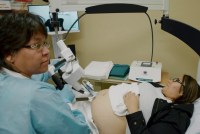
El polémico plan de Alabama: usar robots para atención materna en zonas rurales
En 2024, el año más reciente con datos disponibles, la tasa de mortalidad infantil en Alabama fue de 7,1 muertes por cada 1.000 partos con recién nacidos vivos.

Journalists Unpack Impact of ICE Arrests on Families and Caffeine’s Effect on Dementia Risk
KFF Health News journalists made the rounds on national or local media recently to discuss topical stories. Here’s a collection of their appearances.
Alabama’s ‘Pretty Cool’ Plan for Robots in Maternity Care Sparks Debate
Alabama, a state with one of the nation’s highest infant mortality rates, is betting on robots to help fix its maternal care crisis. But the state’s plan for telerobotic ultrasounds in rural areas has raised doubts.

This Ballad Hospital, Flooded by Hurricane Helene, Will Be Rebuilt for $44M in a Flood Plain
Ballad Health, the nation’s largest state-sanctioned hospital monopoly, plans to rebuild Unicoi County Hospital on land that two climate modeling companies say is at risk of flooding.

Ponerlos al tanto de estos riesgos podría disuadirlos de inscribirse en el Medicaid de Emergencia, que ofrece atención médica de urgencias a inmigrantes que no califican para la cobertura regular de Medicaid.
With ICE Using Medicaid Data, Hospitals and States Are in a Bind Over Warning Immigrant Patients
The Trump administration’s move to give deportation officials access to Medicaid data is forcing hospitals and states to consider alerting immigrant patients that information from emergency medical coverage applications could be used in efforts to remove them from the country.
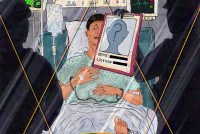
‘I Can’t Tell You’: Attorneys, Relatives Struggle To Find Hospitalized ICE Detainees
Some hospitals are registering patients detained by federal immigration officers under pseudonyms and prohibiting staff from contacting family members. Attorneys and health care workers say the practices facilitate rights violations and create ethical concerns. Hospitals say they’re trying to protect patients.
Enfrentan grandes barreras para localizar a los pacientes, saber cómo están de salud y brindarles apoyo legal y emocional.

Sick of Fighting Insurers, Hospitals Offer Their Own Medicare Advantage Plans
Breakups between insurers and health systems, on top of plan cuts, left more than 3.7 million Medicare Advantage enrollees facing a tough choice last year: find new insurance or new doctors. But hospital systems say their Advantage plans can avert such upheaval, giving patients peace of mind.
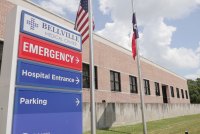
States Race To Launch Rural Health Transformation Plans
Every state will receive at least $100 million annually from the federal Rural Health Transformation fund, but some scored millions more based on how the Centers for Medicare & Medicaid Services judged the “quality” of their plans and willingness to pass policies embracing “Make America Healthy Again” initiatives.

Iowa Doesn’t Have Enough OB-GYNs. The State’s Abortion Ban Might Be Making It Worse.
Abortion bans like Iowa’s have put OB-GYNs under increasing strain and surveillance, complicating the standard medical treatments for miscarriage, ectopic pregnancy, premature membrane rupture, and other pregnancy problems. As many rural areas face worsening maternity care deserts, some physicians fear these laws could drive much-needed doctors out of state and dissuade others from moving in and establishing a practice.
Journalists Zero In on ‘Certificate of Need’ Laws and Turbulent Obamacare Enrollment Season
KFF Health News journalists made the rounds on regional media recently to discuss topical stories. Here’s a collection of their appearances.

Scorpion Peppers Caused Him ‘Crippling’ Pain. Two Years Later, the ER Bill Stung Him Again.
Homemade hot sauce sent a Colorado man to the emergency room with what he called “the worst pain of my life.” But stomach cramps were only the beginning. Two years later, the bill came.

Oregon Hospital Races To Build a Tsunami Shelter as FEMA Fights To Cut Its Funding
Columbia Memorial Hospital near Oregon’s coastline planned to add a tsunami shelter, counting on a FEMA grant. After the Trump administration cut the funding, hospital officials are building anyway, saying waiting is too risky. A judge ruled Dec. 11 that the administration unlawfully ended the program without congressional approval.

One Big Beautiful Bill Act Complicates State Health Care Affordability Efforts
The federal budget bill President Donald Trump signed into law in July is creating uncertainty for states trying to rein in health care spending. In California, a lawsuit by the hospital industry challenging state spending caps cites the law, which will slash Medicaid spending, as one of many financial pressures.

Health Care Consolidation and Rising Costs Happen, but Obamacare Is Not the Key Culprit
The debate over expiring Affordable Care Act tax credits has given Republicans room to resurface old criticisms — such as blaming the ACA for mergers and consolidation within the health care industry.

A North Carolina Hospital Was Slated To Open in 2025. Mired in Bureaucracy, It’s Still a Dirt Field.
Regulations meant to prevent unfettered health care expansion are withholding needed hospital beds in a rural part of North Carolina. Here, as in communities around the country, some officials and health care providers are contesting such “certificate of need” laws.

Feds Promised ‘Radical Transparency’ but Are Withholding Rural Health Fund Applications
Proposals from states that have shared their applications to a new $50 billion rural health program include using drones to deliver medication, installing refrigerators to expand access to healthy produce, and bringing telehealth to libraries, day cares, and senior centers.